
The Complete Guide to Boron Halides: BCl3, BF3, and BBr3
Boron halides are a fundamental class of compounds in industrial chemistry and laboratory research. Known for their powerful Lewis acidity, these substances—specifically Boron Trichloride (BCl₃), Boron Trifluoride (BF₃), and Boron Tribromide (BBr₃)—play critical roles in catalysis, organic synthesis, and advanced material manufacturing.
In this guide, we explore the properties, applications, and safety protocols for these versatile boron compounds.
Boron halides are inorganic compounds with the general formula BX₃. Due to the electron-deficient nature of the boron atom, they act as potent Lewis acids, readily accepting electron pairs from Lewis bases.
| Property | Boron Trifluoride (BF₃) | Boron Trichloride (BCl₃) | Boron Tribromide (BBr₃) |
|---|---|---|---|
| State (RT) | Gas | Gas | Liquid |
| Lewis Acidity | Moderate | Strong | Very Strong |
| Primary Use | Catalyst (Polymerization) | Semiconductor/CVD | Ether cleavage/Demethylation |
Often used as a coordination complex (e.g., BF₃·OEt₂), it is the "workhorse" catalyst in industrial organic synthesis, particularly in the production of polyethers and resins.

BCl₃ is indispensable in the semiconductor industry. It is utilized in plasma etching processes to remove oxides from silicon surfaces and as a precursor for boron-containing films in chemical vapor deposition (CVD).

BBr₃ is a powerful dealkylating agent. In fine chemical synthesis, it is frequently used to cleave ethers and esters, allowing for the precise modification of complex pharmaceutical intermediates.

While all three are reactive, their physical states significantly impact storage and handling protocols.
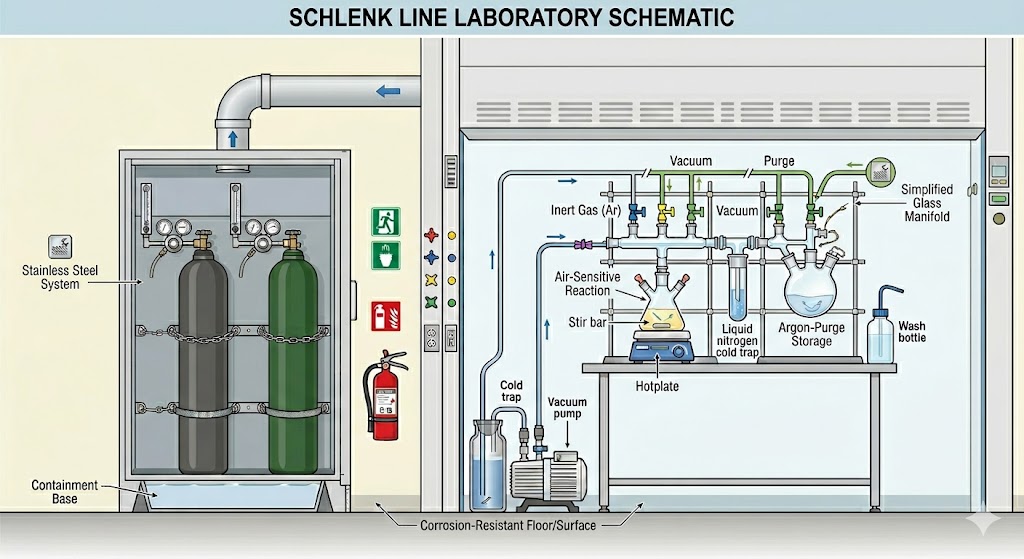
Boron halides are corrosive to skin, eyes, and the respiratory tract. They react exothermically with water to produce toxic halogen acids.
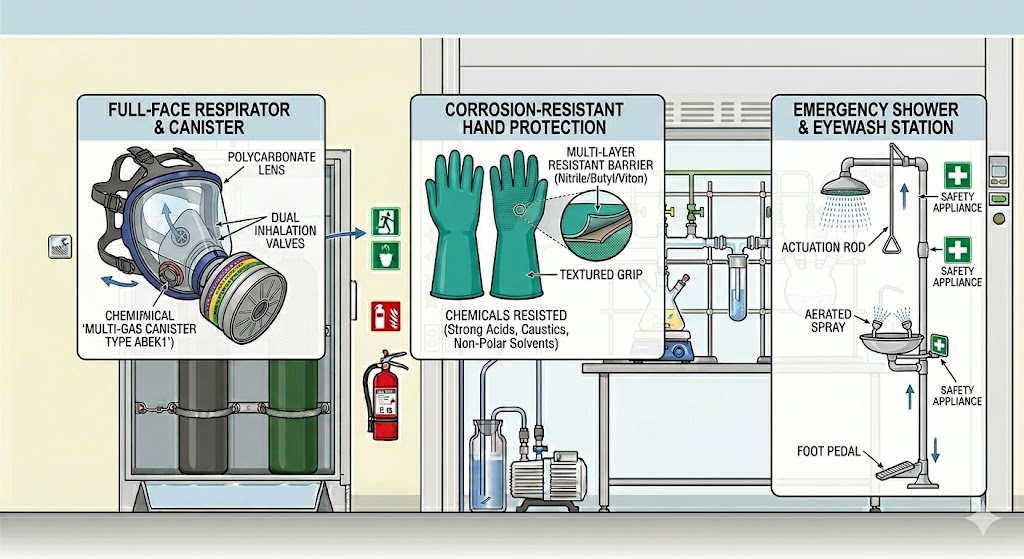
For high-quality chemical sourcing and technical inquiries, feel free to reach out to our team.
Jiangxi Biochem Co., Ltd.
Disclaimer: This guide is for educational purposes. Always consult the specific Material Safety Data Sheet (MSDS) before handling these chemical substances.
Tags: #BoronHalides #ChemicalIndustry #BCl₃ #BF₃ #BBr₃ #LewisAcids #SemiconductorMaterials #OrganicSynthesis #FineChemicals #LaboratorySafety
ReturnLatest Blogs & News
Contact us
Add: 1-6F, No.118 Xinzhou Road, Xihu District, Nanchang, Jiangxi, China Post: 330025
Tel:+86-791-86629460
E-mail: iceleng@biochemjx.com